Trading, A Beginner's Step-by-Step Guide to Start Successfully
· based on the channel Sierra Aaliyah
Trading is the act of buying and selling financial instruments like stocks, options, or futures with the goal of making a profit. To start trading as a beginner, it's essential to understand what trading truly involves, learn foundational concepts, and take practical steps to build skill and confidence. Beginners often quit within the first two months due to lack of preparation and unrealistic expectations, but with the right approach, consistent profitability is achievable. For those interested, joining a community like Crystal Academy's Discord offers mentorship and support.
What Trading Actually Is and What It's Not
Trading involves actively buying and selling assets such as stocks, options, or futures to capitalize on market movements. It is not a get-rich-quick scheme or gambling. Beginners should understand that trading requires discipline, education, and risk management. Unlike investing which focuses on long-term growth, trading often involves shorter time frames like day trading or swing trading. Key terms to know include:
- Calls and Puts: Options contracts giving the right to buy (call) or sell (put) an asset at a set price.
- Options vs Futures: Options offer rights without obligation, while futures are contracts to buy or sell assets on a future date.
Understanding these basics helps you choose the style of trading that fits your schedule and risk tolerance.
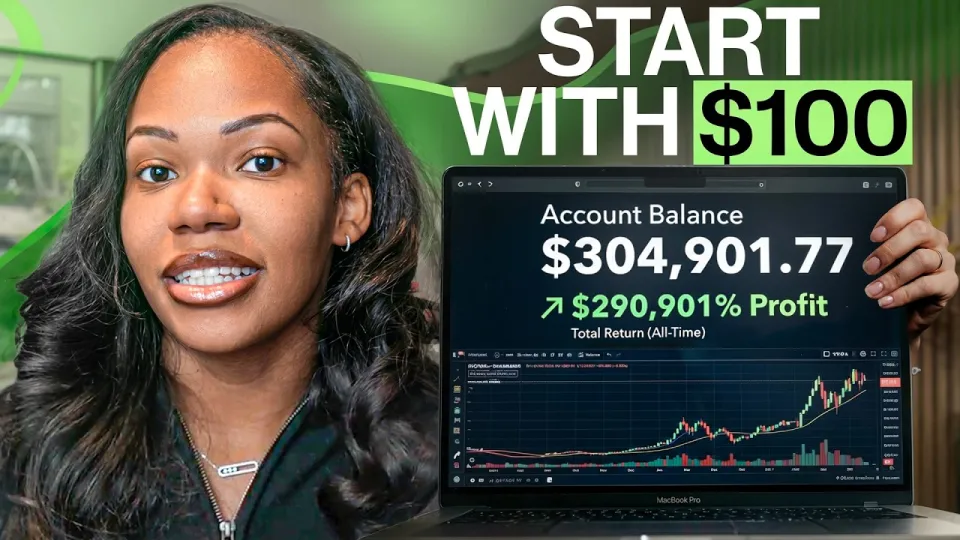
Video: How To Start Trading As A Beginner In 2026 (Step-by-Step)
Choosing the Right Broker and Charting Tools
Selecting a reliable broker and charting platform is a crucial first step. The video highlights Webull as a beginner-friendly broker offering free stocks upon sign-up and a straightforward interface suitable for options and stock trading. For chart analysis, TradingView is recommended due to its user-friendly tools for beginners to read candlestick patterns and market structure.
Start by opening an account with Webull and exploring TradingView to familiarize yourself with market charts before placing real trades.
The Three Core Concepts Every Trader Must Master
Before risking real money, focus on mastering these foundational concepts:
- Market Structure – Understand how price moves in trends, support, and resistance zones.
- Reading Candlesticks – Candlestick charts reveal market sentiment and possible reversals.
- Risk Management – Never risk more than 1-2% of your capital on a single trade; use stop losses.
Mastering these reduces emotional trading and increases your chances of success.
Paper Trading: Practice Without Risk
A vital step for beginners is to start with paper trading—simulated trading using virtual money. This allows you to practice strategies, understand order types, and get comfortable with the trading platform without risking real capital.
If you cannot consistently double a simulated $1,000 account, real trading is likely to result in losses. Patience during this phase builds confidence and discipline.
Overcoming Common Beginner Challenges
Many beginners quit due to frustration from initial losses or confusing chart patterns. Common issues include:
- Reacting to every minor price movement and trading too frequently.
- Lack of a solid strategy or risk management plan.
- Emotional responses like fear or greed leading to poor decisions.
A key to longevity is adopting patience, focusing on higher timeframes to understand institutional market flow, and sticking to a tested trading plan.
Useful Links
- Join the supportive trading community and mentorship: Crystal Academy Discord
- Start trading with free stocks: Webull Broker
- Follow Sierra Aaliyah on Instagram and TikTok for ongoing tips and motivation.
Conclusion
Starting trading as a beginner requires clear education, practical steps, and realistic expectations. By learning what trading truly is, mastering key concepts like calls vs puts and options vs futures, practicing on platforms like Webull and TradingView, and using paper trading, you can build a strong foundation. Patience and discipline help prevent early quitting, allowing you to grow steadily. This guide, based on Sierra Aaliyah’s approach, offers a judgment-free path to begin your trading journey confidently. For continuous learning and support, consider joining the Crystal Academy Discord.
Key takeaways
- Start trading with as little as $300 to $2,000 capital.
- Master key concepts: trading basics, calls vs puts, options vs futures.
- Use paper trading first to practice without risk.
- Webull and TradingView are recommended beginner platforms.
- Patience and psychology are critical to avoid early quitting.
Source: How To Start Trading As A Beginner In 2026 (Step-by-Step) · Markdown version
Questions & answers
Is it necessary to have a large amount of money to start trading?
No, beginners do not need large capital to start. Starting with $300 to $2,000 is sufficient to learn and practice trading without excessive risk.
What is the difference between calls and puts in options trading?
Calls give the buyer the right to purchase an asset at a specified price, while puts give the right to sell. Understanding these helps traders speculate on price movements effectively.
Why do many beginners quit trading early?
Most beginners quit within two months due to unrealistic expectations, emotional trading, lack of risk management, and frustration from initial losses.
How important is paper trading before investing real money?
Paper trading is essential as it allows beginners to practice strategies and understand market mechanics without financial risk. It builds confidence to trade with real money more safely.